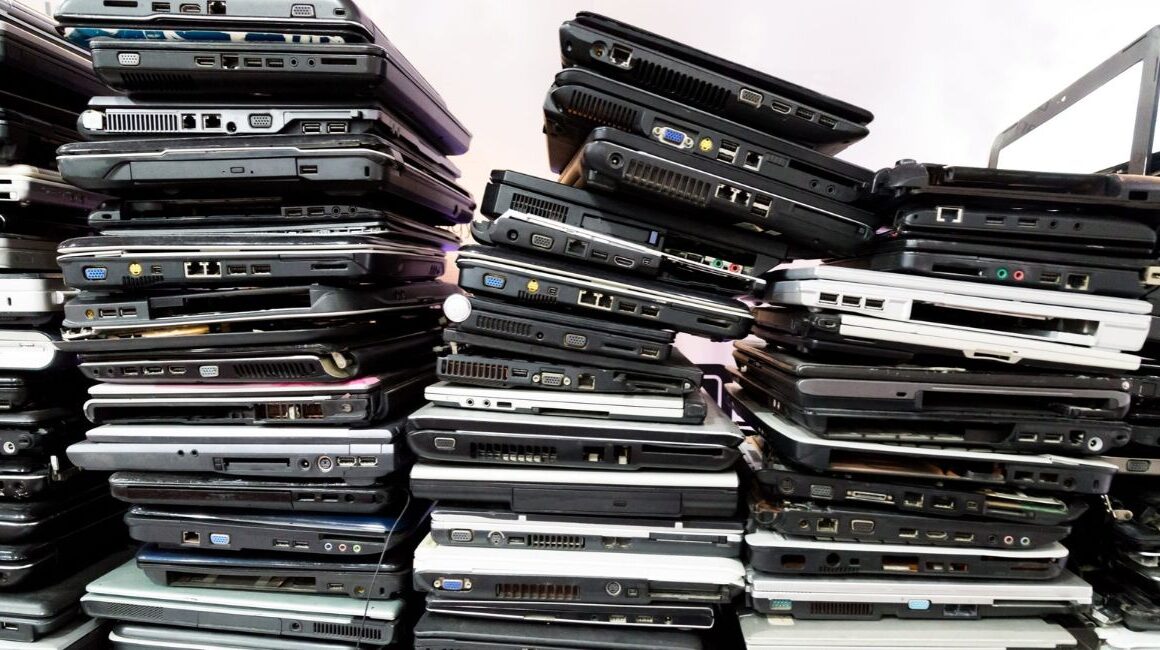
A donated laptop does not get a quick wipe and a new home by Friday. At established refurbishing nonprofits, it is logged by serial number, has its storage erased and verified, and gets tested part by part. Only then is it repaired, reloaded, and handed on, while machines that fail along the way are stripped for parts or recycled.
We compared how donation programs in the United States, Canada, Australia and the United Kingdom describe that process, then checked their claims against the standards and studies they cite. Most of it is reassuring.
Every Donated Laptop Is Logged Before Anyone Opens It
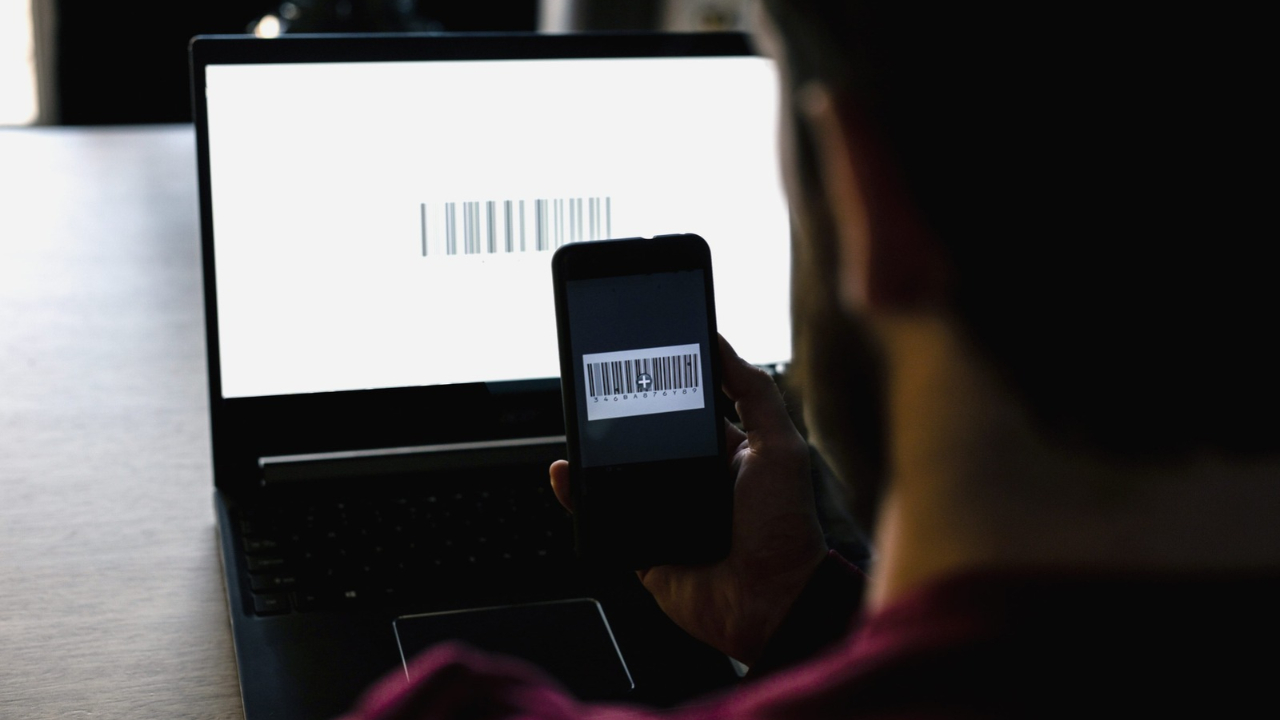
The first job at a refurbishing center is paperwork. A donated laptop often arrives with emails, tax files, and saved passwords from its previous owner still on board, so every machine has to be accounted for.
Human-I-T, a California nonprofit, says donations are logged on arrival at a facility certified under the NAID AAA program for data destruction. The Electronic Recycling Association in Canada enters each item into a tracking system before it reaches a warehouse. A typical intake record notes a few basics.
- The make, model and serial number
- Who donated it and when
- Whether it powers on
- Whether a storage drive is present
That record, called a chain of custody, lets a charity prove later that a specific drive was wiped.
Data Wiping Comes Before Any Testing
Storage is erased before anyone decides whether the laptop is worth fixing. Computerbank Victoria in Melbourne wipes every drive whether the machine will be rebuilt or recycled, and U.S. groups such as Human-I-T and Reworx Recycling say they follow NIST Special Publication 800-88.
NIST defines media sanitization as a process that makes access to the target data on a storage device infeasible for a given level of effort. Its methods fall into three levels called Clear, Purge and Destroy.
View this post on Instagram
The current version, NIST SP 800-88 Revision 2, was finalized on September 26, 2025, replacing the 2014 edition. Clear overwrites the storage a computer can normally reach, while Purge goes deeper, often through commands built into the drive. Drives that refuse to wipe are crushed or shredded instead.
Why Charities Do Not Trust a Factory Reset Alone

Deleting files or formatting a drive mostly removes the index pointing to the data, not the data itself. MIT graduate students Simson Garfinkel and Abhi Shelat proved it with 158 used drives, publishing their findings in early 2003.
Did you know? One donation website says 129 drives in that study held recoverable personal data. The MIT summary of the drive study disagrees. Of the 158 drives, 129 worked, and only 12 of those had been properly sanitized. One formatted drive alone held more than 5,000 credit card numbers.
The study covered spinning hard drives, and solid-state drives spread writes across spare memory cells to slow wear, so an ordinary overwrite can miss old data. Refurbishers therefore rely on built-in purge commands.
Testing Focuses on the Parts That Wear Out
Facilities certified to the R2v3 standard that repair devices in-house must record a result for each function tested and evaluate product safety, according to a summary of R2v3 requirements.
| Component | What gets checked | Common fix |
| Battery | Remaining capacity, swelling | Replacement |
| Storage | Drive health data, read errors | Tested SSD |
| Memory | Error tests | New modules |
| Display and hinges | Dead pixels, backlight, looseness | Donor parts |
| Keyboard and ports | Every key and port | Repair |
The battery row matters most. A battery holding, say, 60 percent of its original capacity still works, but it will frustrate a student facing a full school day without an outlet. That figure appears in the Windows 11 battery report, the first number we check on any used laptop.
Repairs Often Use Parts From Other Donated Laptops
Failing a test does not end a second life. The Electronic Recycling Association replaces or upgrades components when possible, often using parts from other donations. A same-model pair, one with a cracked screen and one with a dead motherboard, can become one working laptop.
The laptop also loses its old identity. Human-I-T says technicians remove identifying markings, familiar to anyone who has bought one of the used laptops retired by companies.
Operating systems vary most. Computerbank installs Linux Mint with more than 70 free applications, noting that Linux runs well on hardware newer Windows versions have left behind.
Refurbishers that install Windows can license it through Microsoft refurbisher programs. We consider Linux sensible for older machines, provided recipients get help learning it.
Where the Finished Laptops Actually Go
What if your company’s retired electronics could make a difference in someone’s life?
At the Electronic Recycling Association (ERA), we turn unwanted technology into opportunities. By collecting, refurbishing, and donating electronics, we help support charities, schools, and communities across Canada while reducing electronic waste.
Your company’s old technology could be someone else’s new beginning.
Read the full story: https://t.co/LEVGmBK67U
#ElectronicRecyclingAssociation #ElectronicsRecycling #DigitalInclusion #CorporateSustainability #CircularEconomy
— ERA (@DonateRecycleIT) October 15, 2026
Donors often picture a free laptop handed straight to a family. Sometimes that happens, but many programs sell refurbished machines at low prices, which pays for the wiping, testing and repairs.
- Human-I-T reaches working families, students and veterans through low-cost sales and direct programs, with digital skills training.
- Computerbank Victoria sells rebuilt computers with a warranty to concession card holders, students, asylum seekers and community groups, and reports over 10,000 computers reused since 1998.
- The Electronic Recycling Association and the UK charity Computer Aid place devices with schools, charities and education projects.
We do not see the price as a catch. A modest fee keeps a refurbishing line running, and a warranty matters more to a first-time owner than a free machine nobody will service.
Laptops That Cannot Be Saved Still Need Careful Handling
Some donations are too old or damaged to rebuild. Responsible programs strip them for usable parts and send the rest to certified downstream recyclers, and Computerbank says its rejects are recycled locally rather than shipped overseas.
The battery is the risky component. The EPA counted more than 240 fires caused by lithium-ion batteries at 64 waste facilities from 2013 through 2020, which is why the agency tells consumers to keep lithium-ion batteries out of household trash and curbside bins.
The scale explains the effort. According to the Global E-waste Monitor 2024, the world generated about 68 million U.S. tons of electronic waste in 2022, and only 22.3 percent was documented as properly collected and recycled. The report forecasts roughly 90 million tons by 2030.
What We Suggest Doing Before You Donate
Even with a professional wipe ahead, we would rather donors clear their own data first. The FTC guidance on getting rid of a computer covers the basics, and a few extra steps help the refurbisher.
- Back up the files you want to keep.
- Sign out of your Apple, Microsoft or Google account and turn off device locks such as Find My.
- Run the built-in reset that erases everything.
- Ask which sanitization standard the organization follows and whether it issues a certificate of data destruction.
- Pack the charger with the laptop.
The last step sounds trivial, yet a laptop without its charger is harder to test, and an account lock left switched on can turn a working machine into a parts donor.
A Few Questions Worth Asking Before You Hand It Over
The next owner of your old laptop will probably never learn its history, and that is how it should work.
Before it reaches them, the machine has been logged, wiped to a documented standard, tested part by part and patched with components from laptops that did not make it.
When choosing a program, ask which sanitization standard it uses and whether its recycling partners hold R2 or e-Stewards certification.
A program that answers both questions clearly has earned your laptop. One that cannot answer either is a good reason to keep looking.
Frequently Asked Questions
1. Can I Donate a Laptop With a Swollen Battery?
Ask the organization before shipping it, since a swollen battery may need separate handling. Our guide to a lifting trackpad and battery swelling covers the warning signs.
2. Do Donation Programs Take Laptops That Will Not Turn On?
Policies differ. Human-I-T accepts non-working laptops and crushes drives it cannot wipe, while Computer Aid asks that donated laptops power on.
3. Should I Remove the Drive Before Donating?
You can. Computerbank Victoria accepts machines without drives, though replacing the drive raises its cost of reuse.
4. How Long Can a Donated Laptop Wait Before Processing?
Under R2v3, a certified facility performing test and repair has one year to process equipment and components.
5. Can I Deduct a Donated Laptop on My Taxes?
Possibly, if the recipient is a qualified charity. The IRS explains which organizations qualify, deduction limits and required records in Publication 526.